


Do you want to experience an ON_Discourse event? We are hosting an ON_Breakfast Club Wednesday, September 9, 9-11am in NYC. We will be previewing new research from Code and Theory and the Wall Street Journal about why AI initiatives at the enterprise are failing, and what can be done to fix it.
First it came for the transcripts, and I accepted, because I wasn’t taking notes. Then it came for reading, and I accepted, because nobody reads (admit it). Then it came for coding, and I accepted, because it helped me build an amazing prototype.
Now it came for my work and I passed it along because it looked good enough, even though I didn’t read it and it was based on a transcript I didn’t review from a meeting in which I wasn’t paying attention.
A funny thing happened to work. The things we have always delivered - the decks we write, the ideas we pitch, the emails we compose - turned into a punchline. It’s funny because it’s true. Workslop might have originated in the AI era but its roots go deeper than that.
Just like this week’s provocation.
PROVOCATION OF THE WEEK
Are we giving up?
The phrase Workslop was coined in an HBR piece last year. You already know this because you probably shared it on LinkedIn. It was HBR’s most read article in 2025 for an obvious reason. Everybody agrees with the premise. More than that, they identify with it.
It was like a Seinfeld joke that articulated a universal thought we all silently shared but hadn’t yet defined. Like this bit.
As popular as that HBR post was - as frequently as we all use that phrase - I have one question for you: are you guilty of shipping slop? Be honest.
Does the temptation to pass along good-enough work overwhelm your best intentions? Are you too busy or distracted to slow down and manually work through the details? Is the bullet-pointed summary of the article you didn’t read too good for you to keep to yourself?
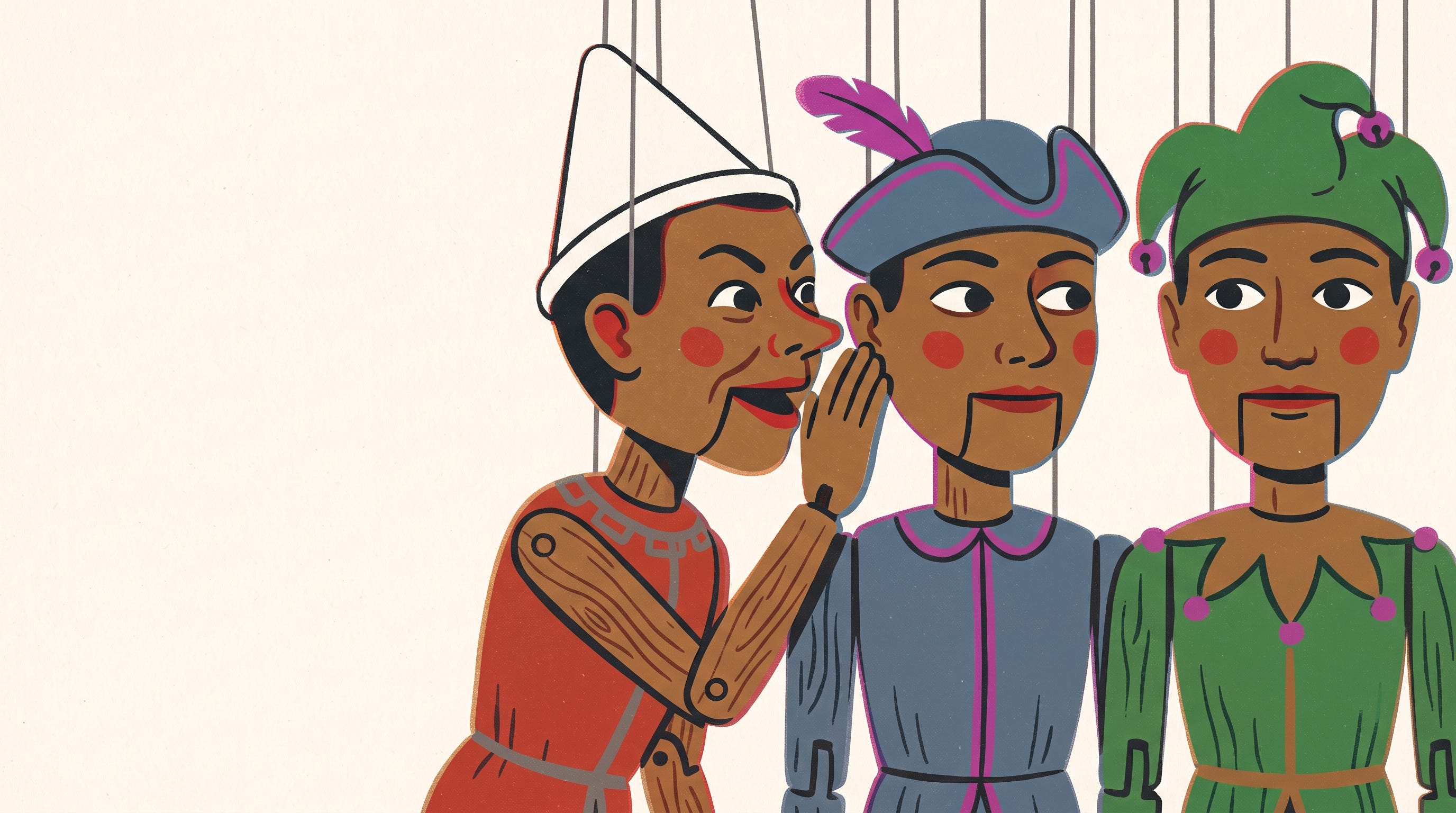
The real joke we’re all living through is a lot more brutal: we all know workslop is bad and yet we are all still doing it. If workslop is the product, we are the slop puppets that deliver it.
If we’re the puppets, who or what is the puppeteer?
What’s Next
If you have thoughts, feedback, or a perspective worth sharing, reach out: chmiel@ondiscourse.com. You might see your reaction in next week’s edition.
ON_Member Events
ON_Breakfast Club: The Orchestration Gap: Stop Adding AI. Start Connecting It
Wednesday, September 09, 9-11am
NYC
An ON_Discourse and Code and Theory Event
Everyone is adding AI. Almost no one agrees who owns making it work together.
New research from Code and Theory and WSJ is landing this fall that says the C-suite already knows the stack is fractured. What they don’t agree on: who owns the fix?
Before the report goes public, ON_Discourse is pulling a room together to argue some of the findings. This is not a panel, or just a preview of the report, it’s an opportunity to push back and bring your own point of view.
Join Toby Daniels, Co-Founder of ON_Discourse, and Michael Treff, CEO of Code and Theory who will lead the discussion.
The ON_Discourse monthly breakfast brings together AI leaders, builders, operators, and invited guests, for a private breakfast, and illuminating discussion.
You’re onto something man - I plucked the same marionette string earlier this year when I dove into the timeframe that birthed the myth of Pinocchio, and it is very interesting how we’ve missed Collodi’s intention and message because we failed to see where it came from. And, we’ve now twisted it so people want to be puppets more than real boys - Id’ share it here if I could, but suffice it to say - there’s a there there
I like the alliterative euphony. There's something appropriately gross about it. I want to say it a few times, imagining the invisible hand of the grotesque puppeteer indecorously sliding into them.